10 Beautiful Home Ideas to Inspire Your Next Makeover
A home makeover does not always mean replacing your furniture or starting from scratch. Sometimes, a few thoughtful changes can make a room feel fresher, more comfortable, and more connected to your personal style.
The best beautiful home ideas are often simple enough to work with what you already own. A warmer color, better lighting, natural materials, or a more thoughtful furniture arrangement can change the way a room feels.
If your home needs a little refresh, these ideas can help you decide where to begin. You can use one idea in a single room or combine several throughout your home for a more complete update.
For more decorating inspiration, explore the LivingNovaHub Home Inspiration category.
1. Give Your Walls a Warm, Fresh Color
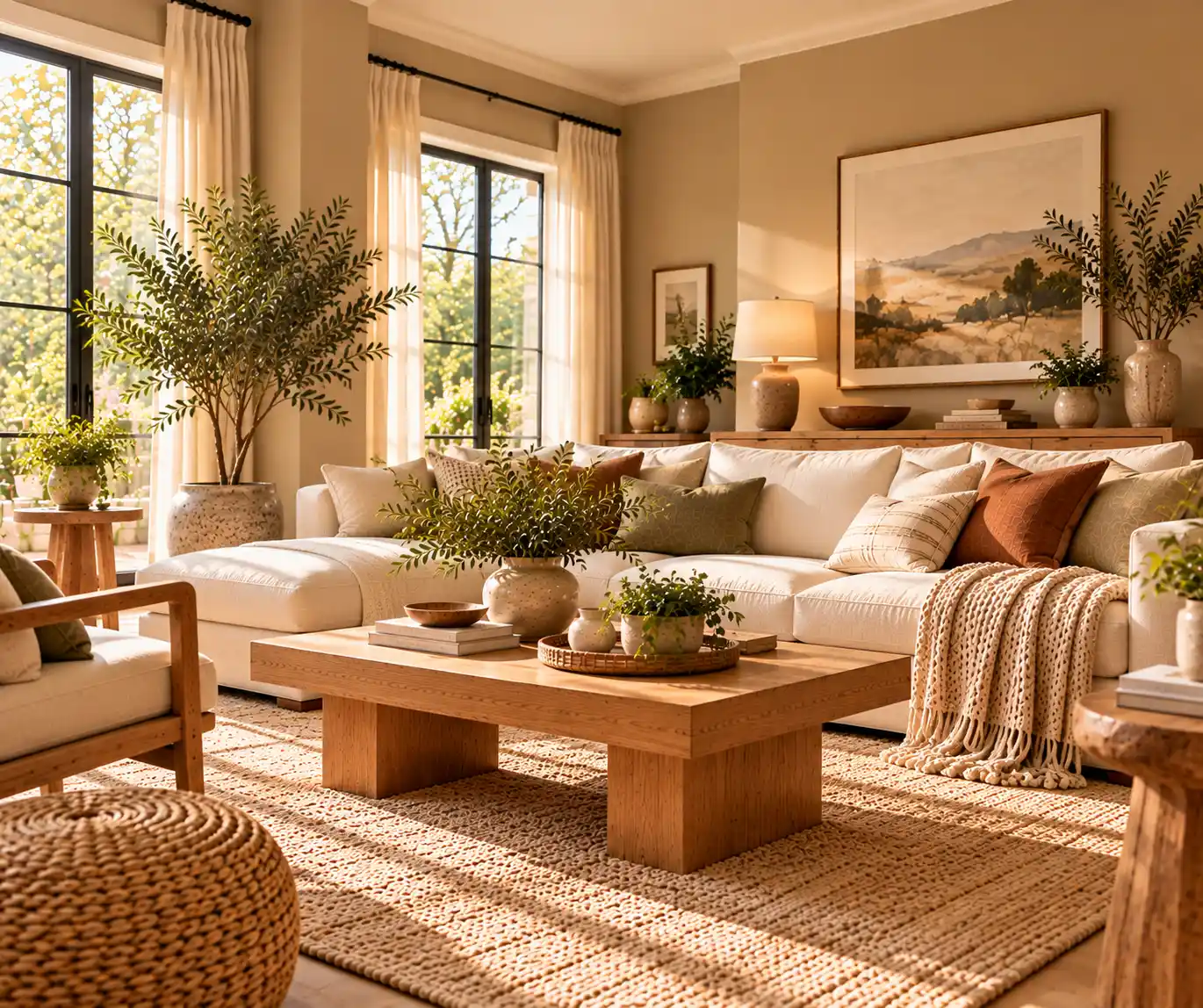
Changing the wall color is one of the easiest ways to give a room a different mood. Warm white, cream, beige, soft taupe, and muted earthy shades can create a calm background for furniture and decor.
If the room already has neutral furniture, you can introduce a slightly deeper shade on one wall. A soft olive, muted blue, or warm clay tone can add interest without making the room feel overwhelming.
Before painting, look at the color at different times of the day. Natural light can change how a shade appears, so a small test area can help you decide before committing to the whole room.
2. Rearrange the Furniture for Better Flow
You may not need new furniture to make a room feel different. Moving the pieces you already have can improve the layout and give the space a completely new appearance.
Start by looking at the main walking paths. Make sure there is enough comfortable space to move around sofas, beds, dining tables, and other large pieces.
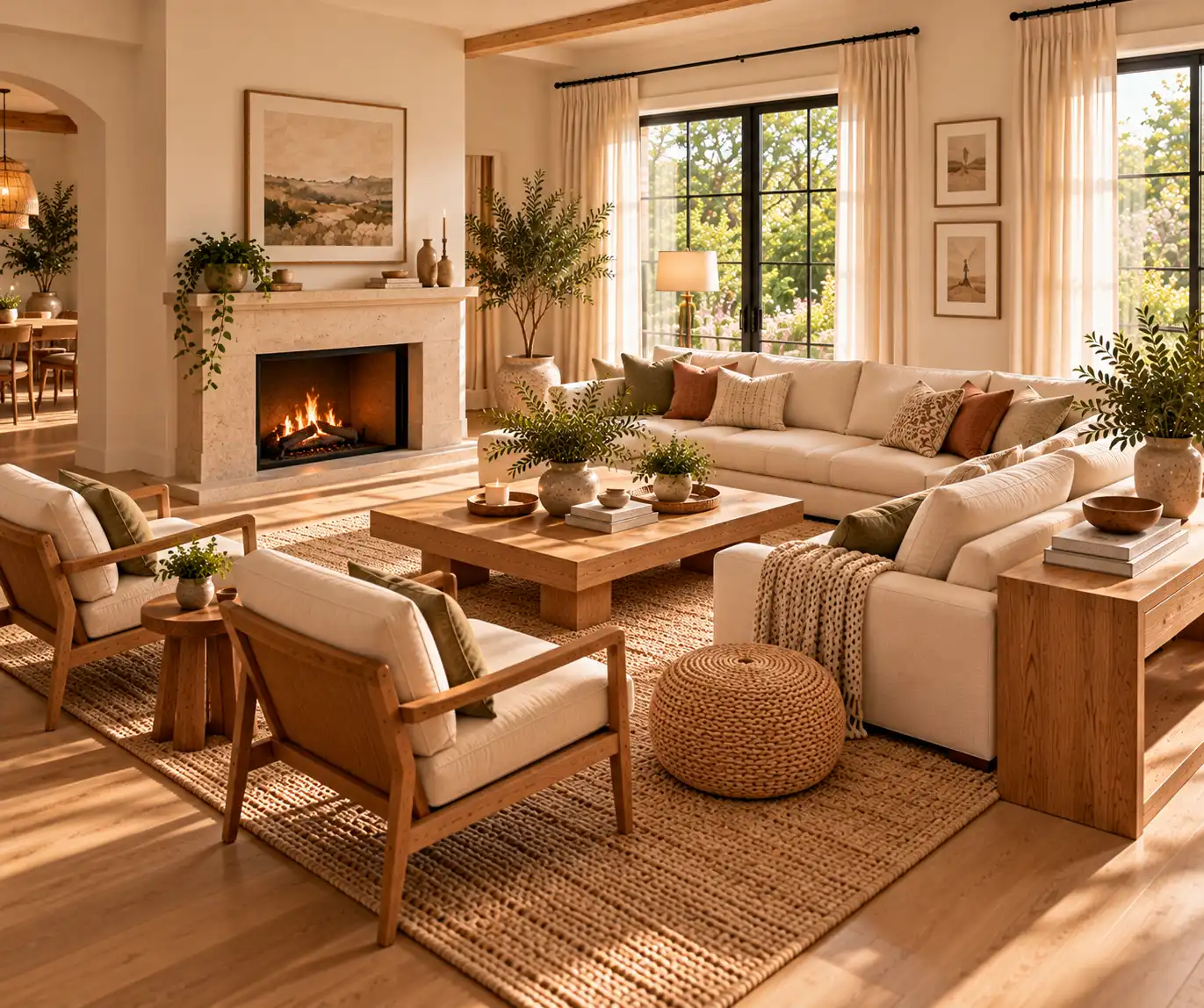
Try pulling furniture slightly away from the walls when the room allows it. Creating a more intentional arrangement can make conversations easier and help the room feel more balanced.
3. Add Natural Wood for Warmth
Natural wood can make a home feel warmer without changing its overall style. It works particularly well with neutral colors, soft fabrics, and simple modern furniture.
A wooden coffee table, console, shelving unit, dining table, or even a few smaller accessories can introduce natural texture into a room.
You do not have to use the exact same wood finish everywhere. Light and medium wood tones can work together when the overall palette remains connected.
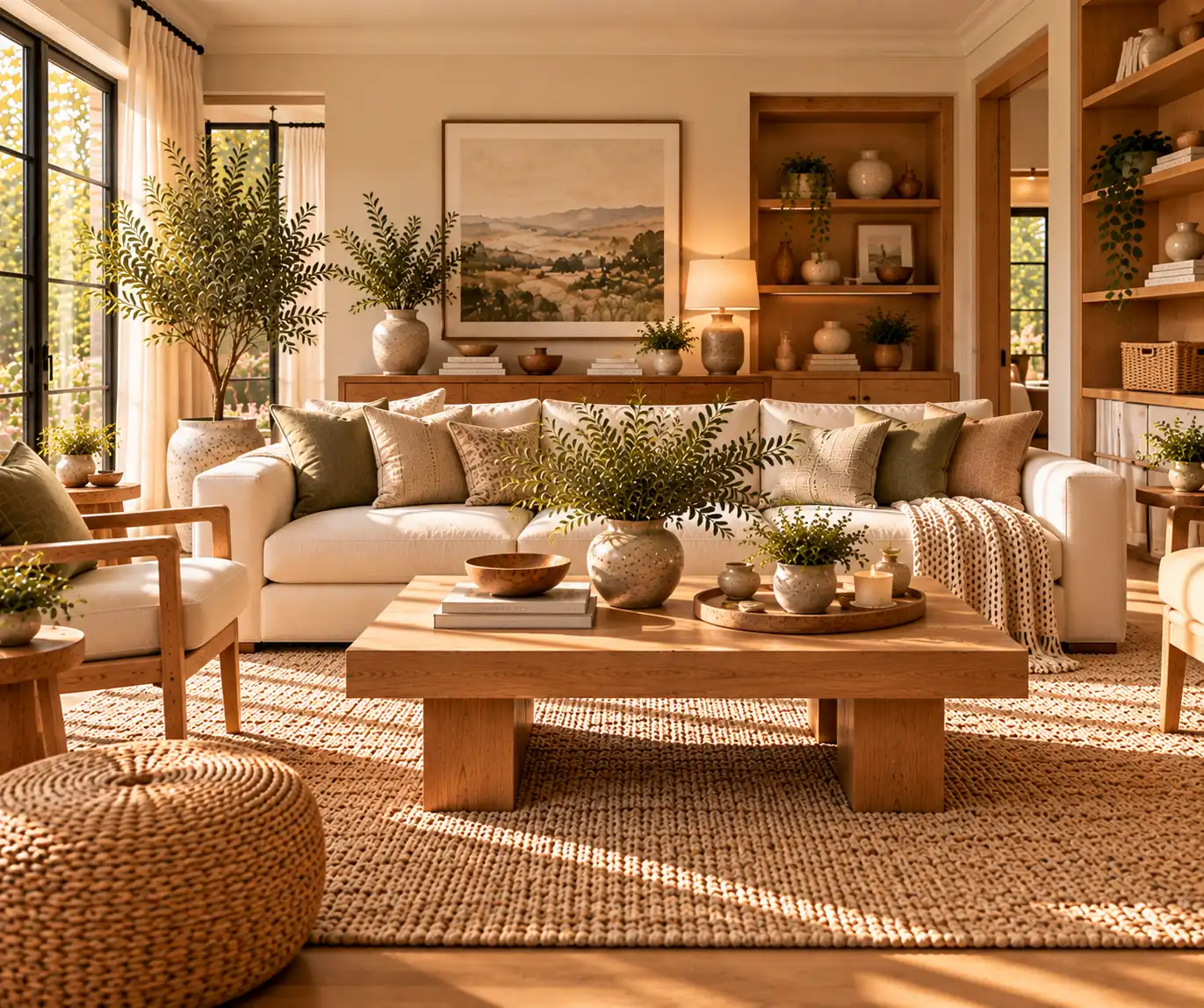
4. Layer Soft Textures Throughout the Room
A room can feel much more inviting when different textures are used together. Instead of relying on color alone, bring in materials that add softness and visual depth.
Think linen curtains, cotton cushions, woven baskets, textured rugs, knitted throws, smooth ceramics, and natural wood. These materials can make even a simple neutral room feel more interesting.
Keep the palette fairly connected so the textures work together instead of competing for attention.
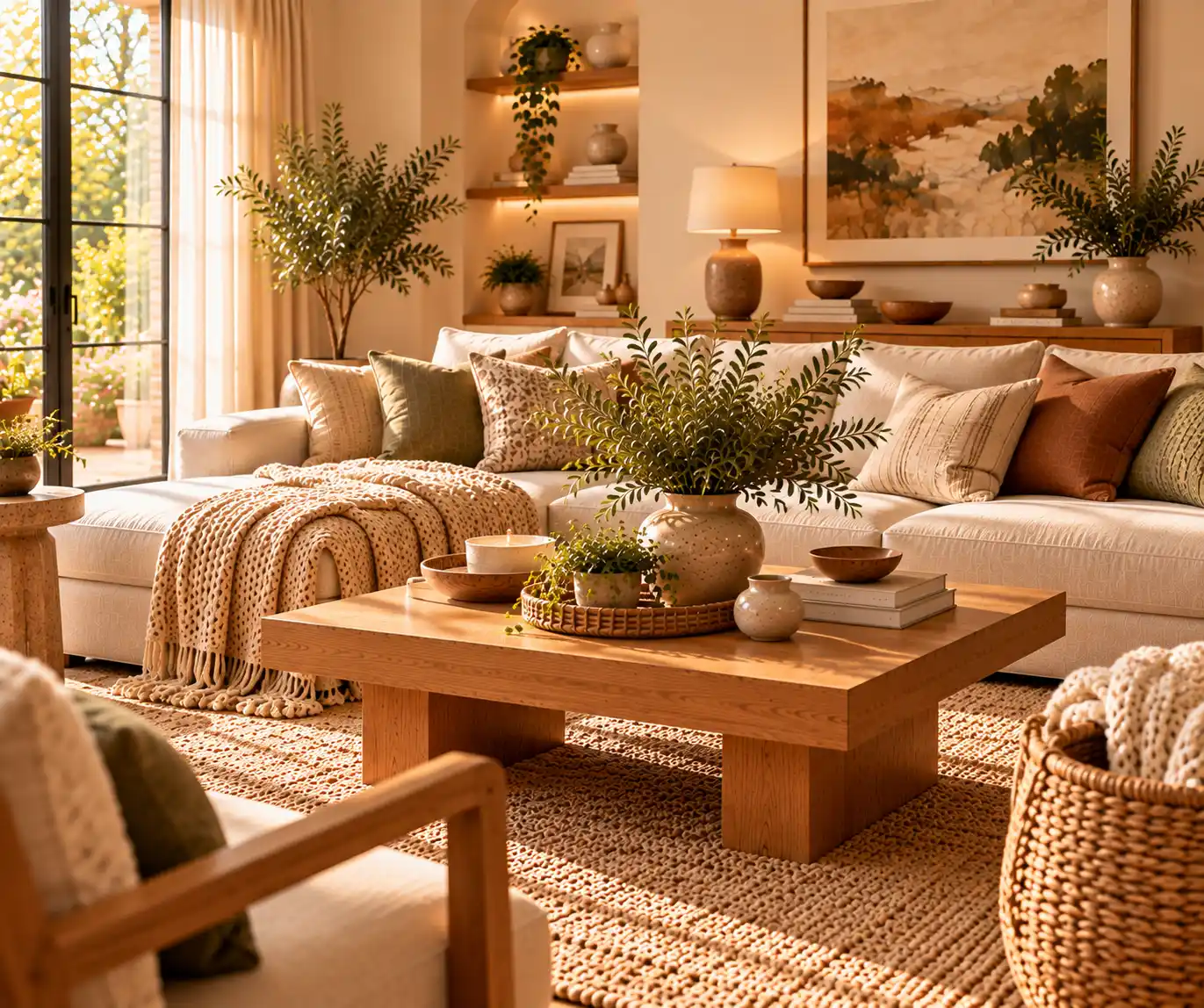
5. Make Lighting Part of the Makeover
Good lighting can change how a room looks and feels, especially after sunset. Instead of relying on one ceiling light, combine several sources at different heights.
A floor lamp beside a sofa, table lamp on a console, or pendant light above a dining table can add warmth and visual interest. Choose fixtures that fit the existing style of the room.
During the day, make the most of natural light by keeping windows clear and using lightweight curtains where appropriate.
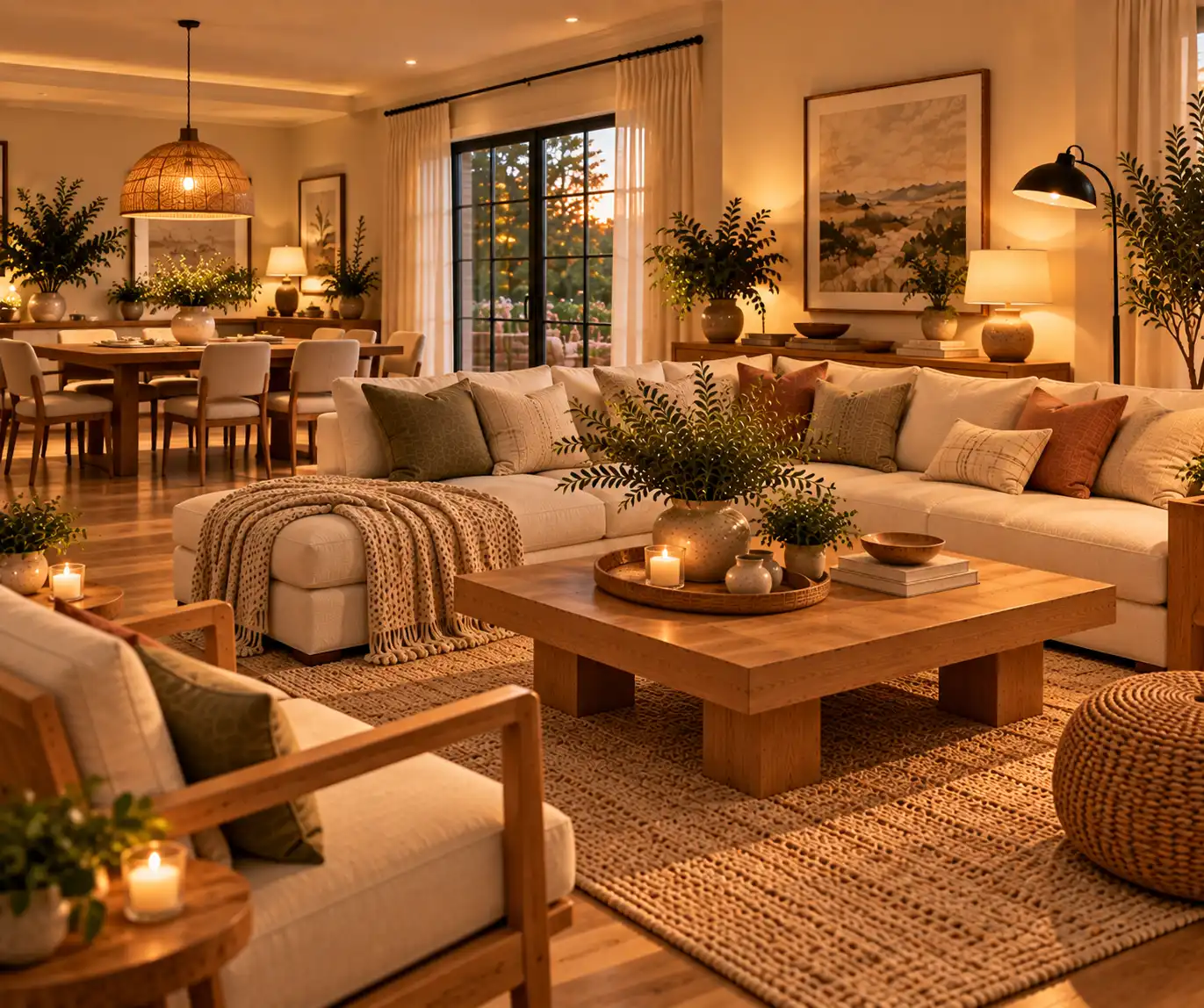
6. Create a Simple Focal Point
Every room benefits from having something that naturally catches the eye. It could be a large piece of artwork, an interesting mirror, a fireplace, a statement light, or a beautifully styled console.
The focal point does not have to be expensive or dramatic. What matters is that it gives the room a clear visual anchor.
Once you choose the main feature, keep the surrounding decor a little quieter. Too many competing statement pieces can make the room feel visually busy.
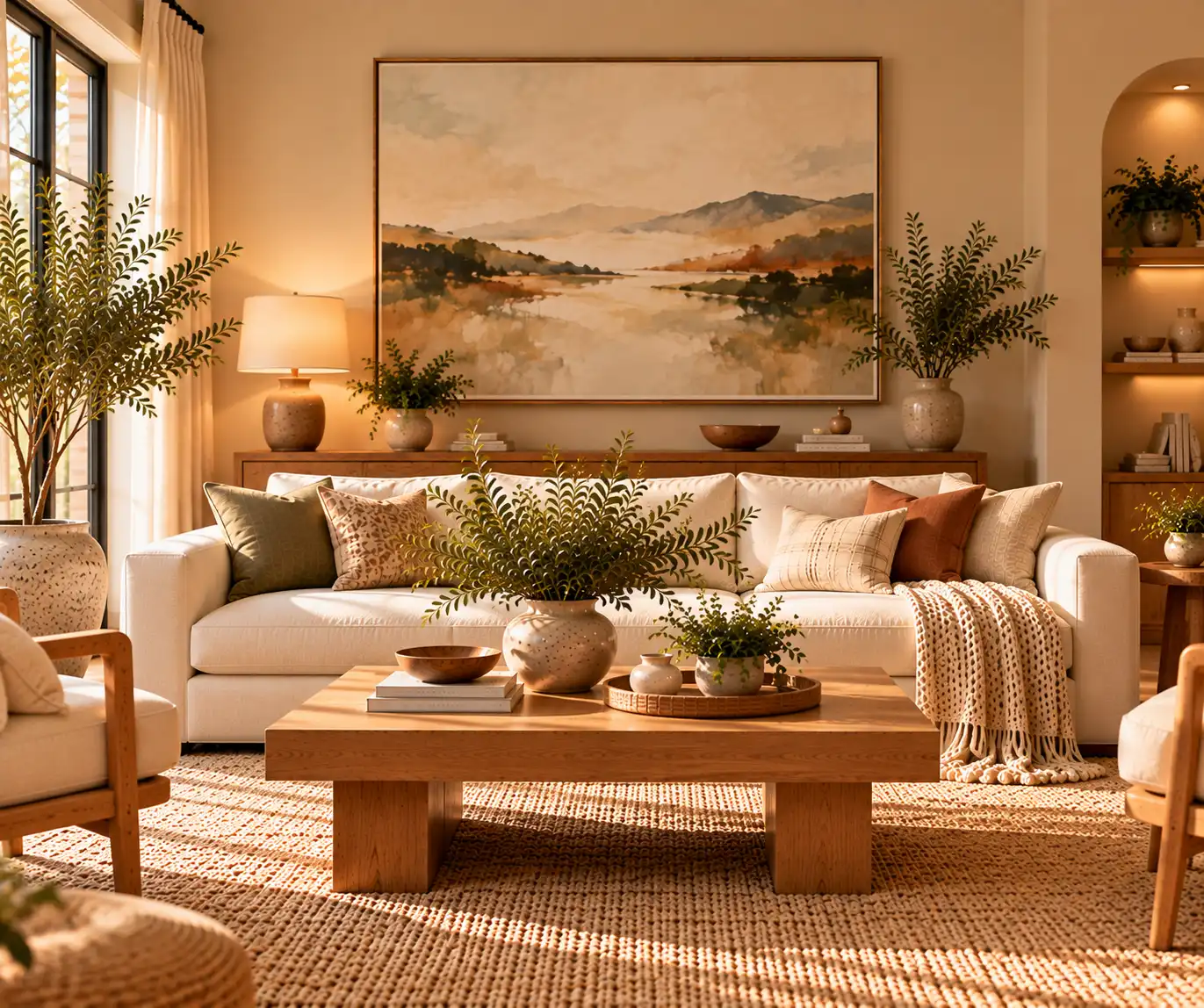
7. Bring Greenery Into Empty Corners
Plants can add softness and natural color to rooms that feel too plain. A tall plant can fill an unused corner, while smaller plants can work nicely on shelves, consoles, or side tables.
Choose greenery based on the amount of light available in the room. Simple planters in ceramic, terracotta, or woven materials can also become part of the decor.
Avoid filling every empty space. One thoughtfully placed plant can have more impact than several small arrangements scattered around the room.
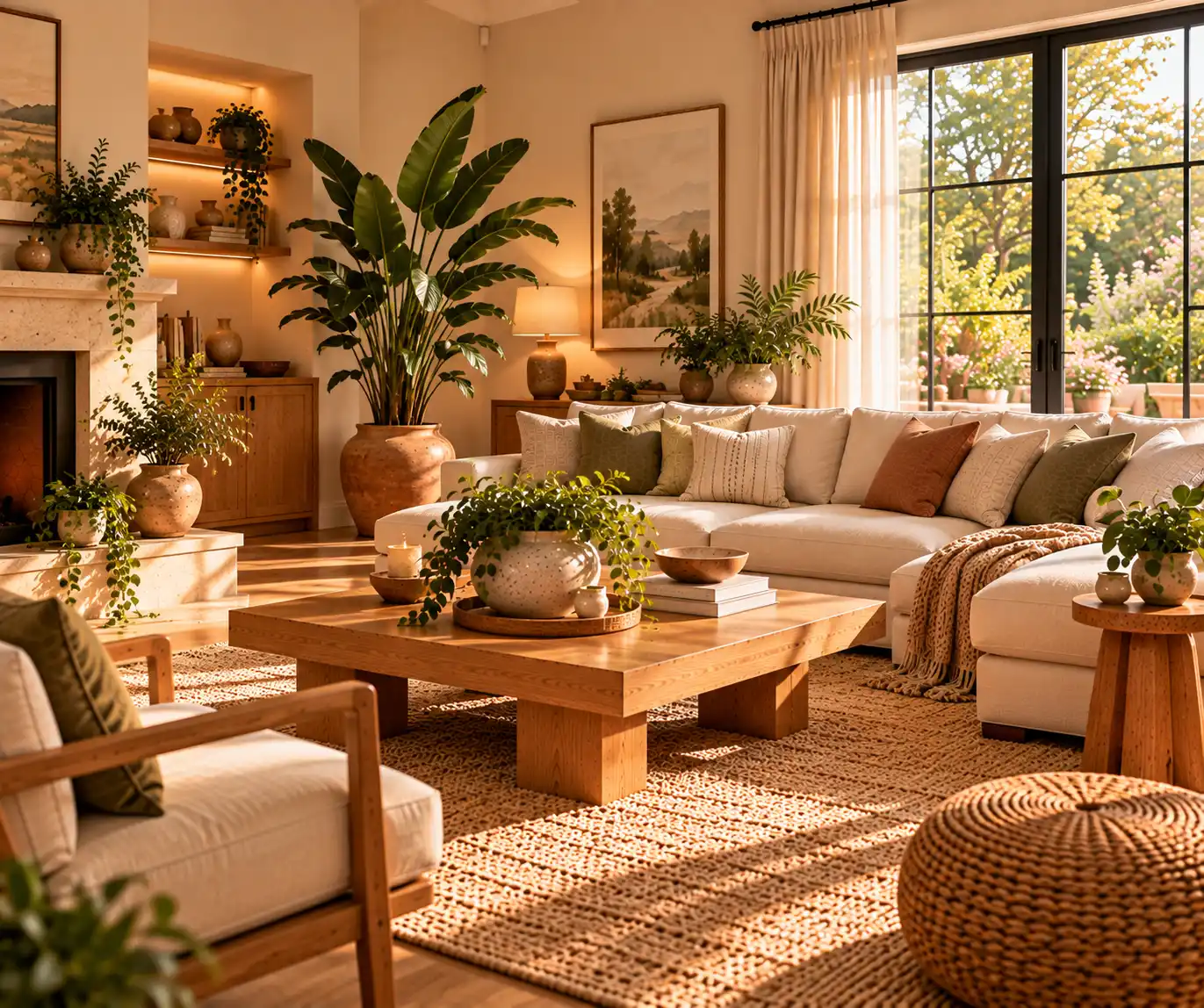
8. Refresh the Soft Furnishings
Small changes to textiles can make a room look noticeably different. Cushions, throws, curtains, rugs, and bedding all contribute to the overall color and texture of a space.
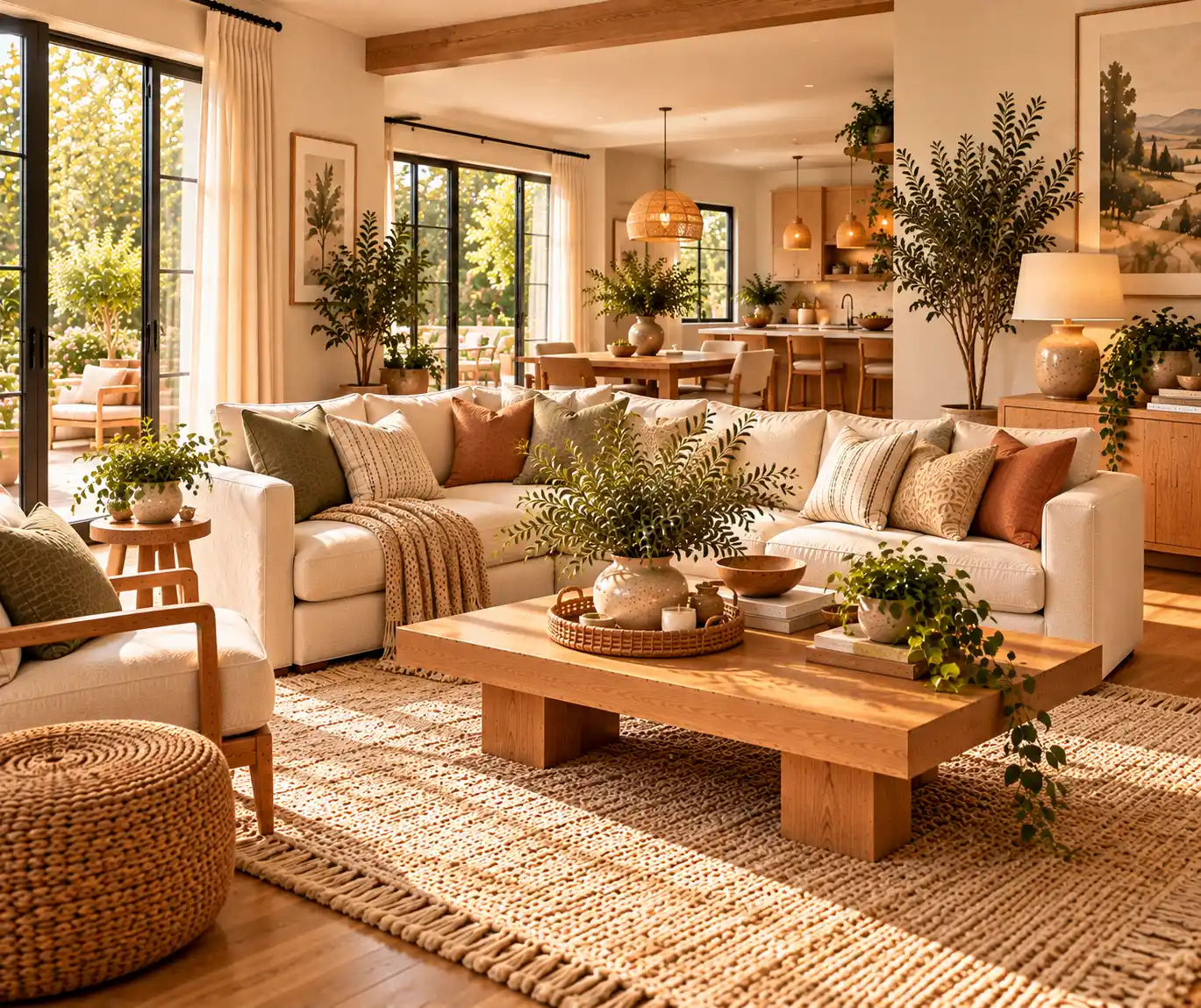
For a calm makeover, choose a simple base color and add one or two supporting shades. For example, cream and beige can be paired with muted sage, soft blue, or terracotta accents.
You can also move textiles between rooms when they work with the existing decor. Sometimes a rug or cushion already in your home can give another space a completely different feel.
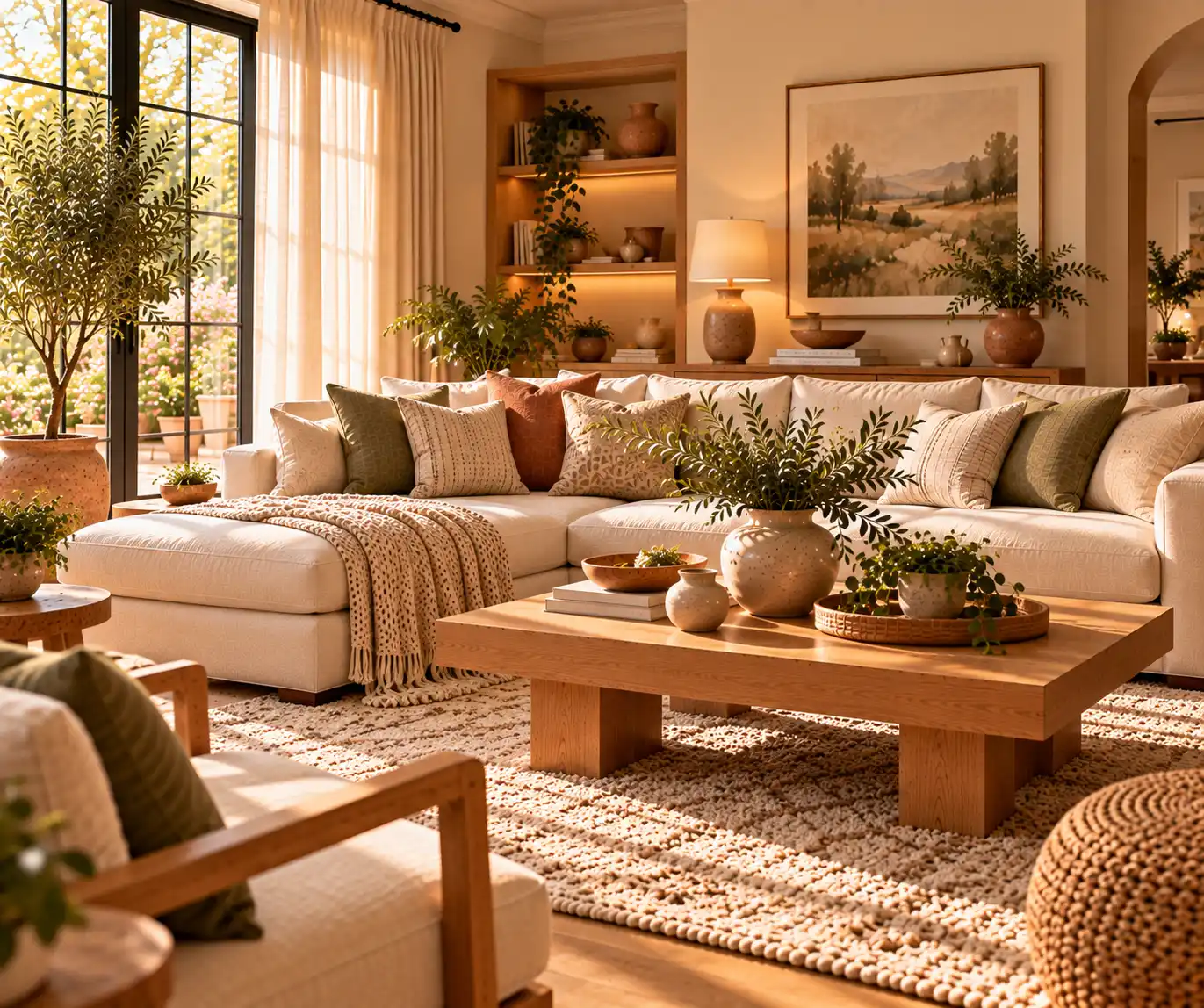
9. Use Storage That Looks Beautiful
Storage does not have to be hidden away or purely practical. Shelves, baskets, cabinets, and consoles can help organize everyday items while also contributing to the room’s design.
Use closed storage for things that create visual clutter and reserve open shelves for pieces worth displaying. A few books, ceramics, framed artwork, or small plants can make shelving feel personal without looking crowded.
In smaller rooms, tall storage can make better use of vertical space while keeping more floor area open.
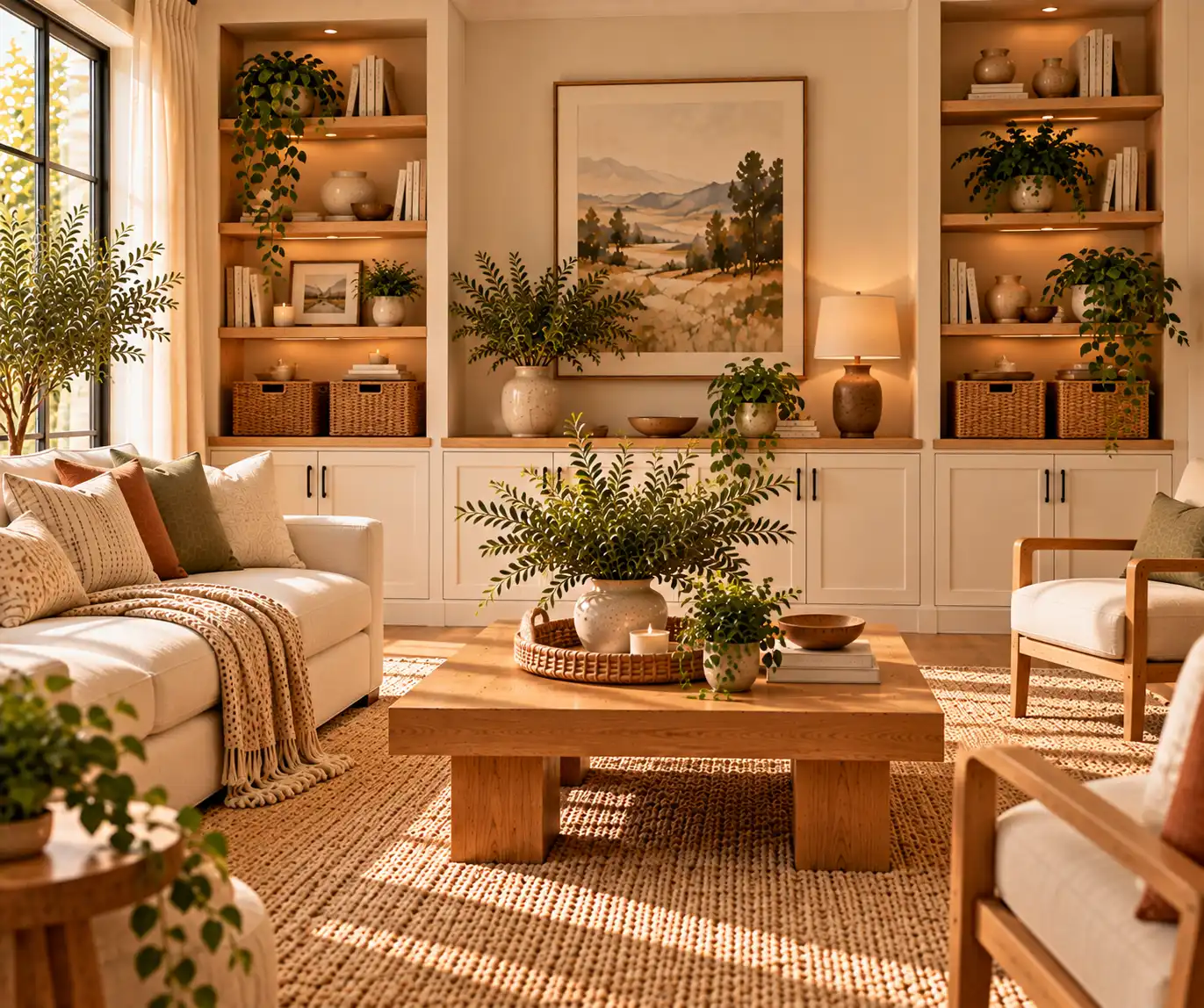
10. Add Personal Details That Feel Like You
A makeover should not make your home look like a showroom. Personal pieces are what make a space feel lived in and meaningful.
Display artwork you enjoy, books you actually read, photographs, travel finds, handmade ceramics, or other objects that have a story behind them.
Choose a few favorites rather than displaying everything at once. Leaving some breathing room around personal pieces helps them become part of the design instead of adding clutter.
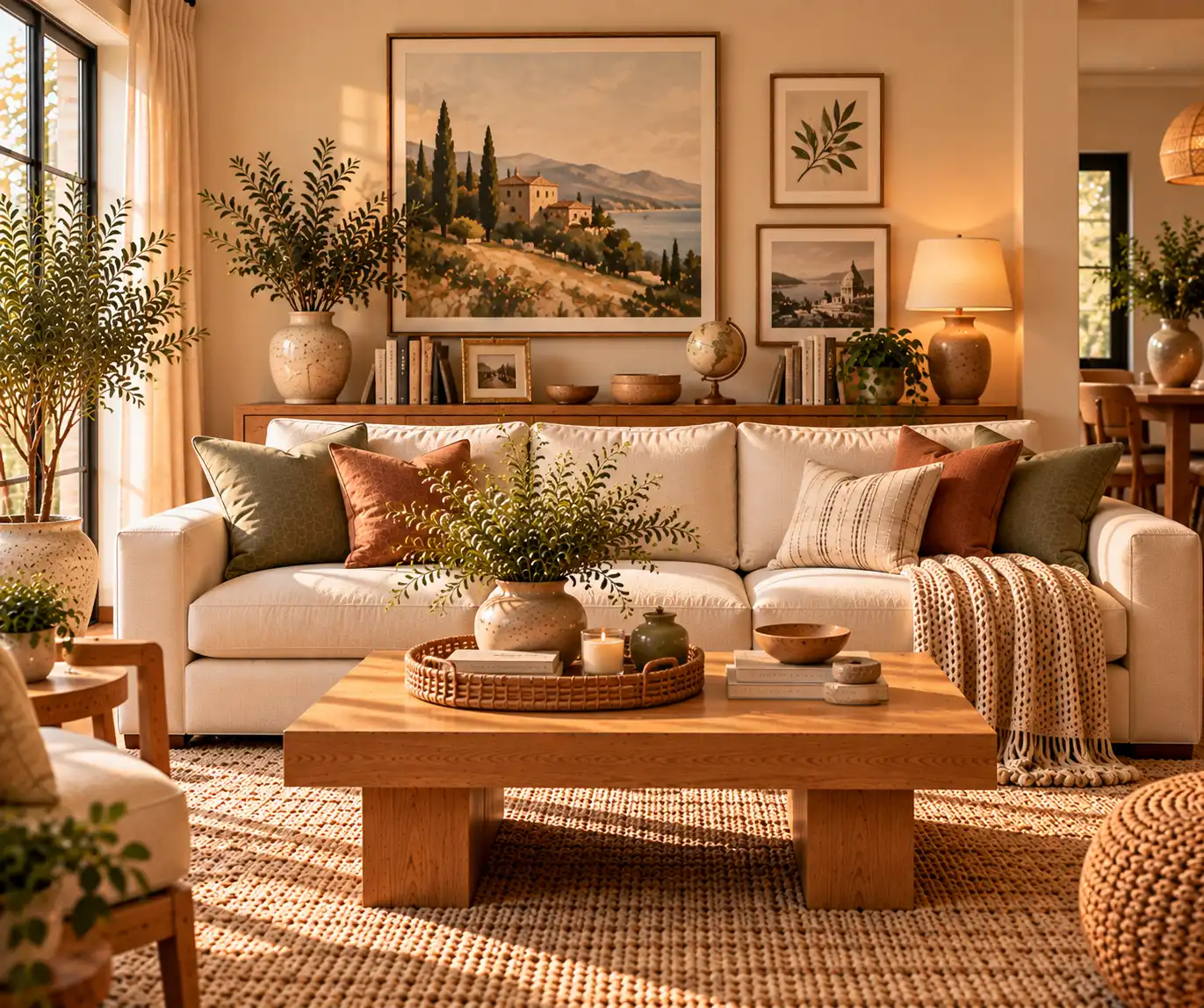
Easy Ways to Plan Your Home Makeover
Before buying new furniture or decor, take some time to decide what your home actually needs. A simple plan can help you avoid buying pieces that do not work with your existing space.
Try this approach:
- Choose one room first. Focus on the space that needs the most attention.
- Remove unnecessary items. Decluttering can reveal what the room is actually missing.
- Keep useful pieces. Work around furniture and decor that you already enjoy.
- Pick a simple color direction. Choose a base color and one or two supporting shades.
- Improve the layout. Move furniture around before purchasing anything new.
- Add texture. Use rugs, cushions, curtains, baskets, wood, or ceramics for visual depth.
- Finish with personal details. Add artwork, books, photographs, or meaningful objects.
- Step back and edit. Remove anything that feels unnecessary or out of place.
A makeover does not need to happen in one weekend. Making changes gradually can help you understand what works best for your home.
Final Thoughts
Beautiful home ideas do not have to involve a complete renovation. Small changes to color, furniture placement, lighting, textures, storage, and personal decor can give familiar rooms a fresh direction.
Start with one area and work with what you already have. Add new pieces only when they solve a real problem or bring something useful and beautiful to the space.
The best home makeover is one that makes your home feel more comfortable and more like you. Keep the changes practical, choose pieces you genuinely enjoy, and let the style develop naturally over time.
Frequently Asked Questions
How can I make my home look beautiful without remodeling?
Start with simple changes such as rearranging furniture, decluttering, refreshing textiles, improving lighting, adding greenery, and displaying a few favorite decorative pieces.
What is the easiest way to start a home makeover?
Choose one room and identify what feels outdated, crowded, or unfinished. Then make small changes to the layout, color, lighting, and decor before buying major furniture.
How can I make my home feel more expensive?
Focus on a cohesive color palette, good lighting, natural materials, fewer but better-displayed accessories, and furniture arrangements that leave comfortable breathing room.
How can I decorate my home on a budget?
Reuse and rearrange furniture, shop secondhand, refresh textiles, paint when appropriate, and repurpose decorative pieces you already own. Small changes can have a noticeable visual effect.
How do I make a modern home feel cozy?
Combine clean-lined furniture with warm lighting, natural wood, soft rugs, cushions, curtains, greenery, and personal artwork. These details add comfort without making the space feel cluttered.
How often should I update my home decor?
There is no fixed schedule. Update your home when your needs or preferences change rather than decorating simply because a new trend appears. Small seasonal changes can be enough to keep a space feeling fresh.